By Paran Homes
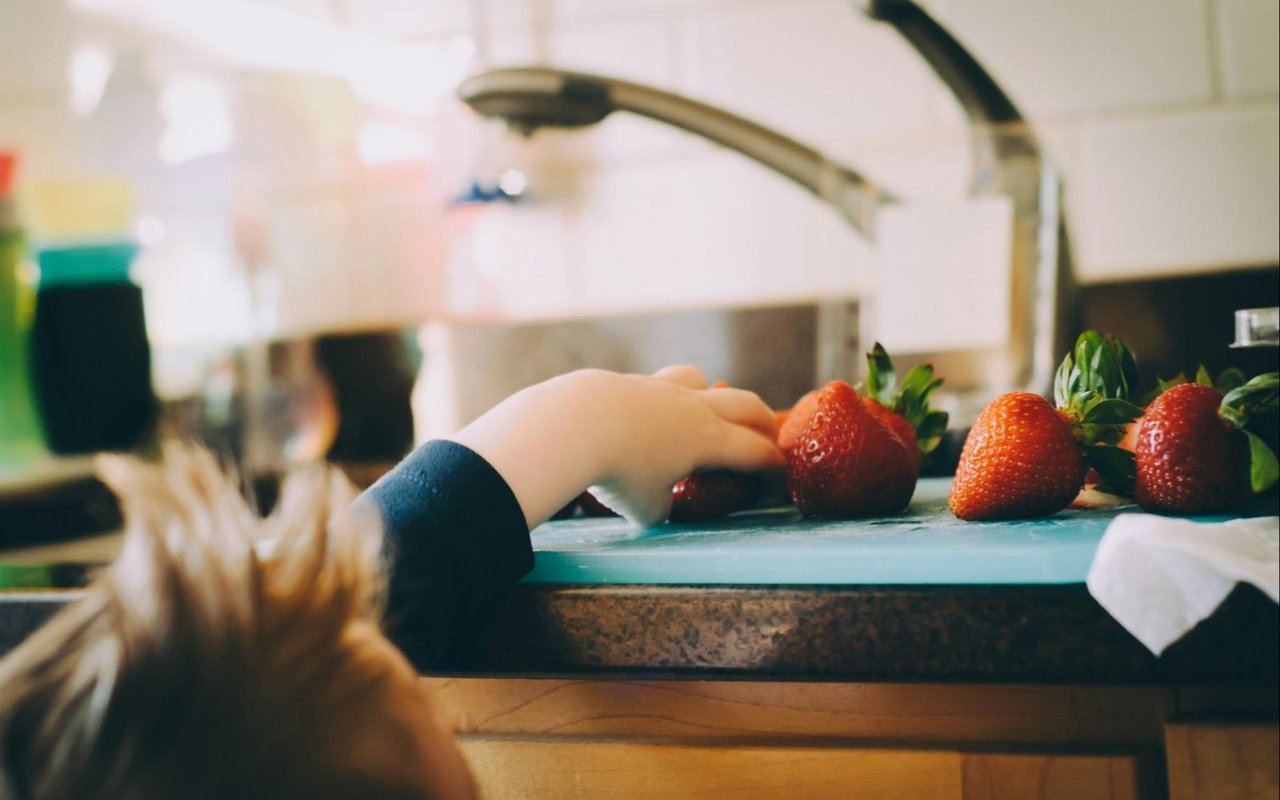
Every parent knows the moment a toddler takes their first steps, the world seems to get a little bigger—and a lot more interesting. Suddenly, every corner, cabinet, and cord becomes an adventure.
If you want to make your home safer for little ones, you’re not alone. Child-proofing isn’t just about adding gadgets. It’s about seeing your space through a child’s eyes and making thoughtful changes that allow for exploration without unnecessary risks. With the right approach, you can create a space where curiosity thrives and accidents are less likely to happen.
Before you start swapping out every drawer pull or outlet cover, it helps to understand what your child is likely to get into. That way, you’ll focus your efforts on areas that matter most. From the kitchen to the bathroom, every room has its unique challenges. Let’s take a closer look at how you can create a home that welcomes childhood curiosity while keeping bumps and bruises to a minimum.
Key Takeaways
- Child-proofing is about understanding what attracts your child and making smart changes throughout the home.
- You’ll need to pay special attention to areas like the kitchen, bathroom, and living room, as these spaces often have hidden hazards.
- Choosing the right products—like cabinet locks and outlet covers—helps minimize everyday risks.
- Consistent organization and regular check-ins are key to maintaining a safer environment.
- Child-proofing doesn’t have to be overwhelming; taking it step by step can make a world of difference.
Understanding Child-Proofing: Where to Begin
Child-proofing might seem like an endless list, but starting with a fresh perspective is important. Before you invest in products or begin rearranging the furniture, spend a little time watching your child move through the house. Notice which objects attract their attention and what’s within their reach. This process gives you insight into your child’s interests and highlights hazards you might overlook.
Small children are naturally curious about drawers, shelves, cabinets, and even appliances. Sometimes, hazards aren’t obvious until you get down to your child’s level. Crawling or sitting on the floor helps you identify sharp corners, loose cords, or tiny objects that may pose a choking risk. Once you have this awareness, you can begin to prioritize.
You don’t have to tackle everything at once. Start with the basics: block off rooms that are off-limits, keep dangerous items out of reach, and address hazards that could cause the most serious injuries, such as falls or burns. With a prioritized checklist, you’ll feel more in control of the process.
Child-Proofing Starting Points
- Get down to your child’s level to spot hazards they can reach.
- Focus first on hazards that could cause serious injury.
- Prioritize high-traffic areas and places where your child spends the most time.
- Make a checklist to keep track of tasks and products needed.
Securing Furniture and Large Items
Unstable furniture and large items pose significant risks, especially as children start pulling themselves up or attempting to climb. Bookshelves, dressers, and even televisions can tip over with surprisingly little effort. The best way to minimize these risks is by anchoring heavy items to the wall using furniture straps or anti-tip kits.
Mounting televisions on the wall also helps keep screens out of reach. If mounting isn’t an option, position TVs and electronics as far back on sturdy stands as possible. Avoid placing toys or remotes on top of televisions or dressers, which can encourage climbing.
Don’t overlook other large items, such as mirrors or freestanding lamps. These should also be securely fastened or placed in spots where they can’t be pulled down. Regularly check anchor points to ensure they remain in place as your child grows and becomes stronger.
Tips for Securing Large Items
- Use furniture straps or anti-tip kits to secure dressers, bookshelves, and TVs.
- Mount electronics to the wall or place them on stable, low furniture.
- Avoid putting attractive items on top of large furniture.
- Periodically inspect straps and mounts for wear and tear.
Making the Kitchen Safer
Kitchens are full of potential hazards, from hot stoves to sharp utensils and cleaning products. If possible, use gates to keep your child out of the kitchen during busy times. For day-to-day access, focus on keeping sharp or breakable items out of reach and using safety latches on lower cabinets.
Stove knob covers, oven locks, and appliance locks prevent accidental burns or injuries. If your stove has front-facing knobs, removing them when not in use can be an effective short-term solution. Store knives, scissors, and other sharp items in high cabinets or use child-resistant locks. Secure cleaning supplies and detergents behind locked doors or place them on high shelves.
Consider how you store plastic bags, foil, and other suffocation hazards. These items should be kept away from small hands. Even small appliances, like toasters or blenders, should be unplugged and stored away when not in use.
Kitchen Child-Proofing Checklist
- Use cabinet and drawer locks for items within reach.
- Keep sharp and breakable items on high shelves.
- Use stove and oven locks; remove knobs if necessary.
- Store cleaning supplies and chemicals in locked cabinets.
- Place plastic bags, foil, and similar items out of reach.
- Unplug and store small appliances when not in use.
Bathroom Child-Proofing Essentials
Bathrooms are filled with water, slippery surfaces, and everyday products that aren’t meant for young children. Start by installing latches on cabinets that hold medicines, razors, and personal care products. Keep toilet lids closed, either with a lock or by simply making a habit of closing them after every use.
Non-slip mats or stickers for the tub and floor reduce the risk of falls. Always keep hair dryers and electric shavers unplugged and out of reach when not in use. Store cleaning products and extra toiletries in high cabinets or behind locked doors.
Another important step is adjusting your water heater’s temperature to avoid scalding. Setting it to 120 degrees Fahrenheit (or lower) helps prevent burns if a child turns on the hot water tap. Towel racks and toilet paper holders should be firmly attached, as these can become tempting climbing spots.
Bathroom Safety Tips
- Lock cabinets with medicines, cleaning supplies, and sharp items.
- Use non-slip mats in tubs and on bathroom floors.
- Keep the toilet lid closed and use toilet locks if needed.
- Unplug and store electrical appliances out of reach.
- Lower the water heater temperature to 120°F or less.
- Double-check towel racks and other fixtures for stability.
Living Room and Common Spaces
The living room is often where your child spends the most unsupervised time. Start by covering electrical outlets with plug covers. Use cord shorteners or wind-up devices to keep lamp and blind cords out of reach. If you have glass coffee tables or sharp-edged furniture, use corner guards and edge bumpers.
Keep small decorative items, remote controls, and batteries off low tables or shelves. Houseplants can be tempting to explore; ensure they’re non-toxic and avoid placing them within reach. Secure rugs to the floor to prevent slipping, and consider moving floor lamps or unstable furniture out of high-traffic play areas.
If you have a fireplace, install a screen or gate to keep your child away from the hearth. Firewood, matches, and lighters should always be kept in locked containers or well out of reach. Regularly inspect toy bins and shelves for small items that could become choking hazards.
Living Room Child-Proofing Tips
- Cover all electrical outlets within reach.
- Use cord shorteners or winders for lamp and blind cords.
- Add corner and edge guards to sharp furniture.
- Store small items and batteries on higher shelves.
- Keep plants out of reach and ensure they are non-toxic.
Stairs, Hallways, and Entryways
Staircases can be especially dangerous for young children learning to walk or crawl. Install safety gates at the top and bottom of all staircases, choosing gates that mount securely to the wall. Avoid pressure-mounted gates for the top of stairs, as these can be pushed loose.
Make sure rugs in entryways and hallways have non-slip backings. If your child is learning to walk, clear the floor of shoes, bags, or other tripping hazards. Keep doors to basements, garages, or other off-limits areas closed at all times. Door knob covers can help prevent access to these spaces.
Hallways often have closets or storage spaces; use child-proof locks or latches on lower cabinets. Store heavy or potentially dangerous items on higher shelves. If you have sliding glass doors, use decals at your child’s eye level to prevent accidental collisions.
Tips for Stairs and Hallways
- Install hardware-mounted gates at the top and bottom of stairs.
- Secure rugs with non-slip backing.
- Remove tripping hazards from walkways.
- Use door knob covers for off-limits rooms.
- Lock low cabinets and closets in hallways.
- Add decals to sliding doors to increase visibility.
Outdoor Spaces: Patios, Yards, and Garages
If you have outdoor areas, these require special attention. Fencing around pools or ponds is crucial; gates should have latches that are out of reach. Lock up lawn equipment, gardening supplies, and chemicals in sheds or cabinets. Store bikes and tools well above your child’s reach.
Inspect recreational equipment for loose bolts, sharp edges, or splinters. Ensure that swings and slides are sturdy and free from hazards. Supervise outdoor play and periodically walk the perimeter of your yard to check for gaps in fences.
Patio doors should be kept locked, and heavy items like barbecue grills should be secured so that they can’t be tipped over. Outdoor electrical outlets also need covers. For garages, store hazardous materials like paint, fertilizers, and power tools in locked cabinets.
Outdoor Child-Proofing Tips
- Fence off pools and water features with secure, high latches.
- Store lawn tools and chemicals in locked cabinets.
- Check play equipment for damage and stability.
- Keep patio doors locked and grills secured.
- Use covers for outdoor outlets.
- Lock up hazardous garage items and keep bikes/tools high up.
FAQs
How Early Should You Start Child-Proofing Your Home?
You can start as soon as your baby begins rolling over or showing signs of mobility. Many parents begin when their child is around six months old, but it’s never too early to make changes.
Which Areas of the Home Should You Child-Proof First?
Focus first on the rooms your child spends the most time in, such as living rooms, kitchens, and bathrooms. Address any areas with obvious hazards, like stairs and entryways.
What Are the Most Important Child-Proofing Products?
Some of the most effective products include cabinet and drawer locks, outlet covers, corner guards, stair gates, and furniture anchors. These items address the most common risks for young children.
Ready to Create a Safer Space for Your Child?
Child-proofing your home isn’t about removing all risks; it’s about making smart, informed choices that help your child explore and grow. With a little preparation, you’ll feel confident letting your child roam, knowing you’ve done everything you can to support safe adventures at every stage.
Ready to find the perfect home in Roswell? Connect with our experienced team at
Paran Homes today. We’ll guide you through every step and make your move easier from start to finish. Your ideal Roswell home is waiting—let’s make it yours.