By Paran Homes
If you have been thinking about ways to reduce your home's environmental footprint, you are not alone. More homeowners in Traditions of Braselton are looking for practical, budget-conscious ways to make their living spaces greener, whether that means cutting utility costs, choosing sustainable materials, or simply being more mindful about energy and water use. The good news is that going green does not require a full renovation or a massive investment.
Small, intentional changes can add up to real results over time, both for your monthly bills and for the planet. Whether you are settling into a new build in Traditions of Braselton or updating a home you have lived in for years, there are countless ways to make your space more efficient and sustainable. This guide will walk through some of the most effective, approachable strategies for making your home more eco-friendly, one room and one habit at a time.
Key Takeaways
- Energy-efficient upgrades, including insulation and windows, can meaningfully lower your utility bills.
- Water conservation habits and fixtures reduce waste without sacrificing comfort.
- Sustainable materials and finishes make a lasting difference in indoor air quality and durability.
- Landscaping choices can reduce water use and support the local ecosystem.
- Small daily habits contribute significantly to your home's overall environmental impact.
Start With Energy Efficiency
Energy efficiency is often the fastest and most rewarding place to begin when you are working toward a greener home. Heating and cooling account for a significant portion of household energy use, so improvements here tend to have the biggest impact on both your utility bills and your carbon footprint. Simple changes, such as sealing air leaks, updating insulation, and being thoughtful about when and how you run your HVAC system, can make a noticeable difference within the first few months.
Beyond the mechanical side, the materials and systems inside your walls matter more than most homeowners realize. Older homes in particular can benefit from an energy audit, which identifies exactly where you are losing heat or cool air. Newer construction, including many homes in Traditions of Braselton, often comes equipped with more efficient building standards from the start, giving you a strong foundation to build on.
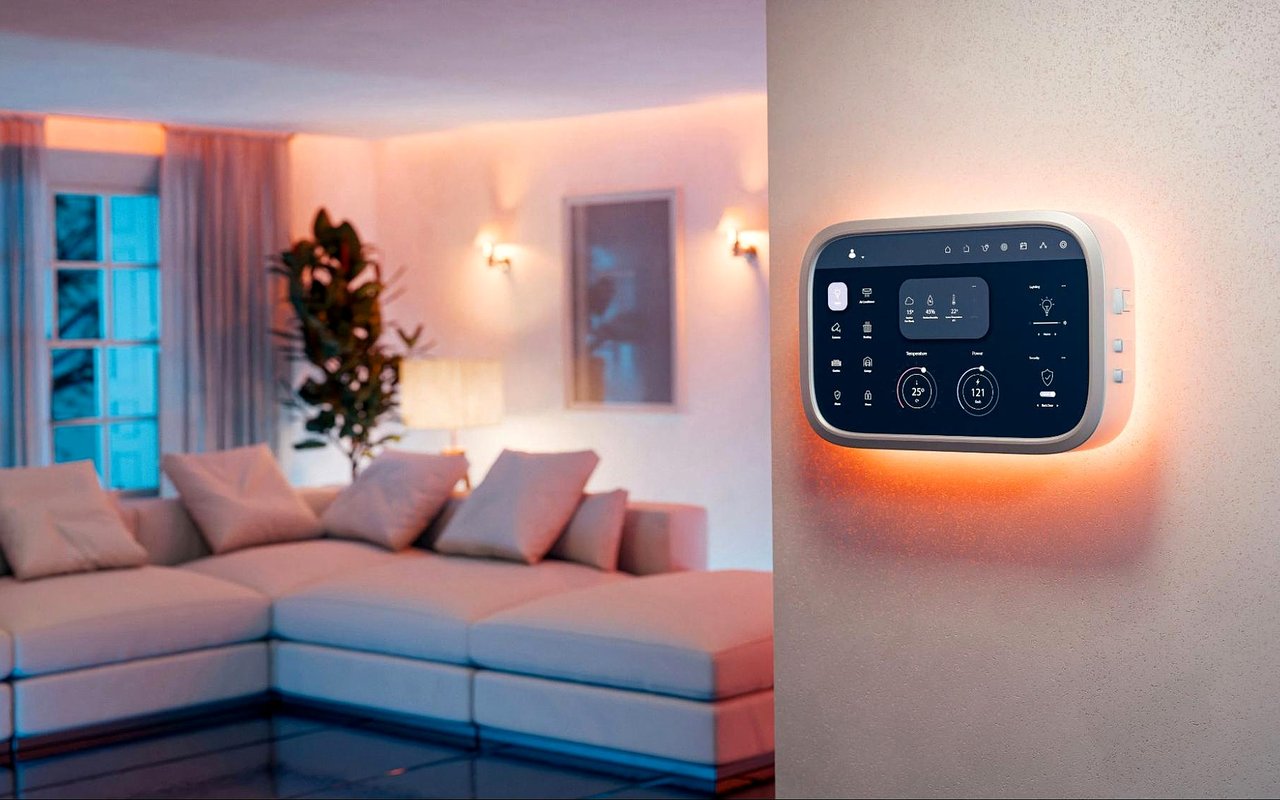
Programmable and smart thermostats are another easy addition. They allow you to set schedules based on when you are actually home so that you are not heating or cooling an empty house. Over time, that kind of small adjustment adds up to meaningful savings.
Ways To Improve Energy Efficiency
- Schedule a professional energy audit to identify air leaks and insulation gaps.
- Upgrade to a programmable or smart thermostat for better temperature control.
- Replace outdated windows with double-pane, energy-efficient options.
- Add weatherstripping around doors and windows to prevent drafts.
- Switch to LED lighting throughout the home to reduce electricity use.
Reduce Water Waste Throughout Your Home
Water conservation is another area where thoughtful choices can lead to significant savings, both financially and environmentally. Many homeowners are surprised by how much water is wasted through small leaks, inefficient fixtures, or habits that could be adjusted with minimal effort. Addressing these areas does not require sacrificing comfort or convenience.
Low-flow fixtures have come a long way in recent years, and today's options perform just as well as traditional models while using a fraction of the water. Bathrooms and kitchens tend to be the biggest opportunities here, since faucets, showerheads, and toilets are used multiple times a day. Outdoor water use is worth examining as well, particularly if your landscaping requires regular irrigation.
Rainwater collection is also gaining popularity among homeowners who want to reduce reliance on municipal water for outdoor tasks, such as watering the garden or washing the car. Even a simple rain barrel connected to a downspout can capture a surprising amount of water over the course of a season.
Water-Saving Upgrades Worth Considering
- Install low-flow showerheads and faucet aerators to reduce daily water use.
- Replace an older toilet with a high-efficiency, low-flow model.
- Fix leaky faucets and pipes promptly, since even small leaks add up quickly.
- Set up a rain barrel to collect water for outdoor irrigation needs.
- Consider drought-tolerant landscaping to reduce the need for regular watering.
Choose Sustainable Materials And Finishes
The materials you choose for your home, whether you are renovating or simply refreshing a space, play a notable role in your overall environmental impact. Sustainable materials tend to be more durable, healthier for indoor air quality, and often just as beautiful as conventional options. This is an area where you can make a real difference without compromising on style.
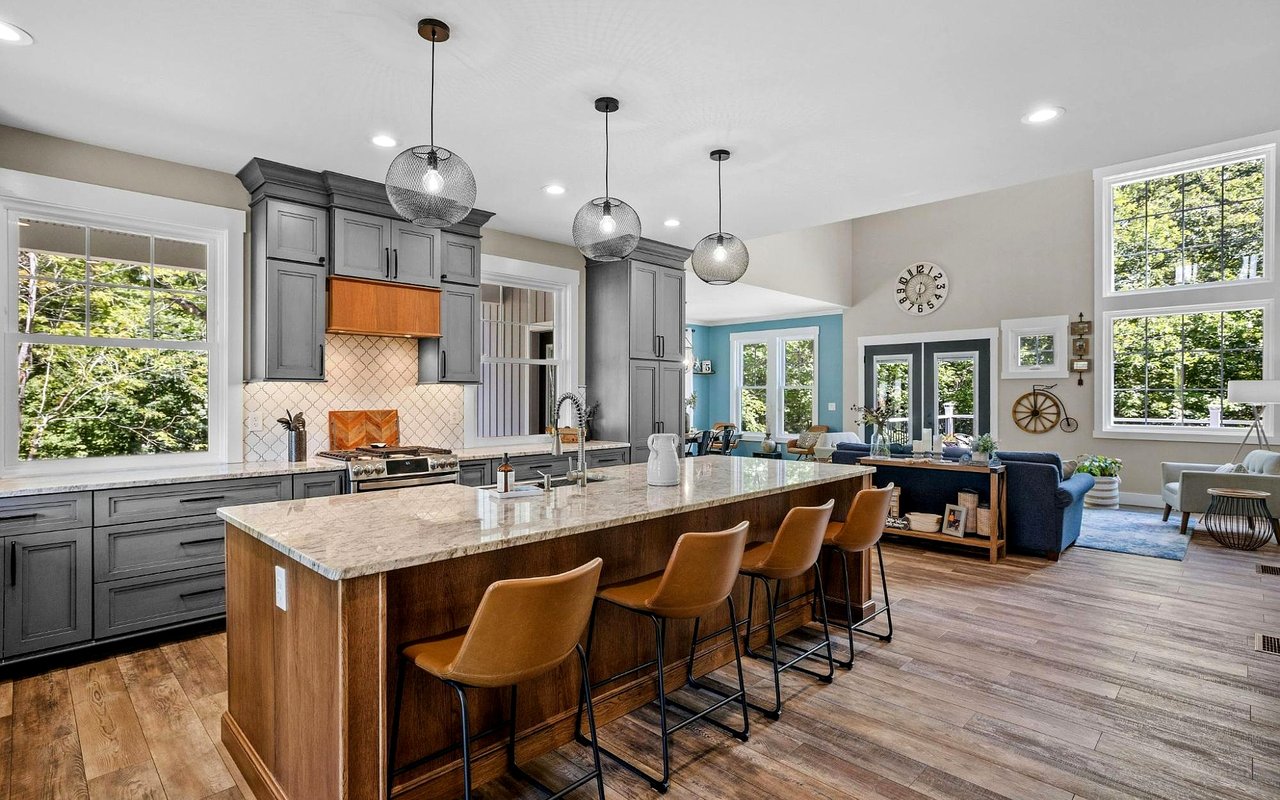
Flooring is a great place to start. Materials like bamboo, cork, and reclaimed wood offer a renewable alternative to traditional hardwood while still providing warmth and character. When it comes to paint, low- or zero-VOC options have become widely available and help improve indoor air quality by reducing the release of harmful chemicals into your living space.
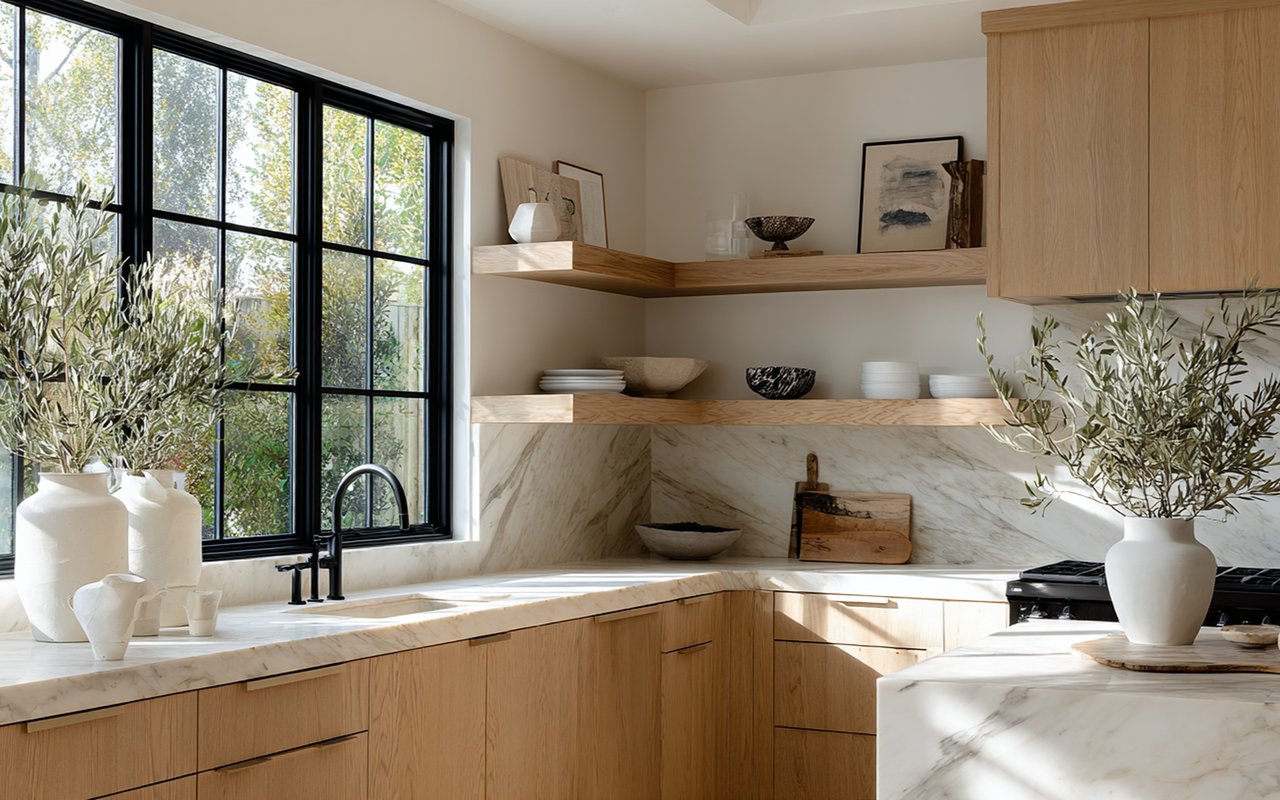
Countertops and cabinetry are another opportunity. Many manufacturers now offer options made from recycled materials or sustainably sourced wood so that you do not have to choose between design and responsibility.
Sustainable Material Options To Explore
- Choose bamboo or cork flooring as a renewable alternative to hardwood.
- Select low- or zero-VOC paint to improve indoor air quality.
- Look for countertops made from recycled glass or reclaimed materials.
- Opt for cabinetry crafted from sustainably sourced wood.
- Ask about insulation made from recycled denim or cellulose fibers.
Make Your Landscaping Work With Nature
Your outdoor space offers just as much opportunity for eco-friendly improvements as the inside of your home. Landscaping choices influence water use, local wildlife, and even your home's energy efficiency, since well-placed trees and plants can provide natural shade and windbreaks. Working with the local climate, rather than against it, tends to produce the best long-term results.
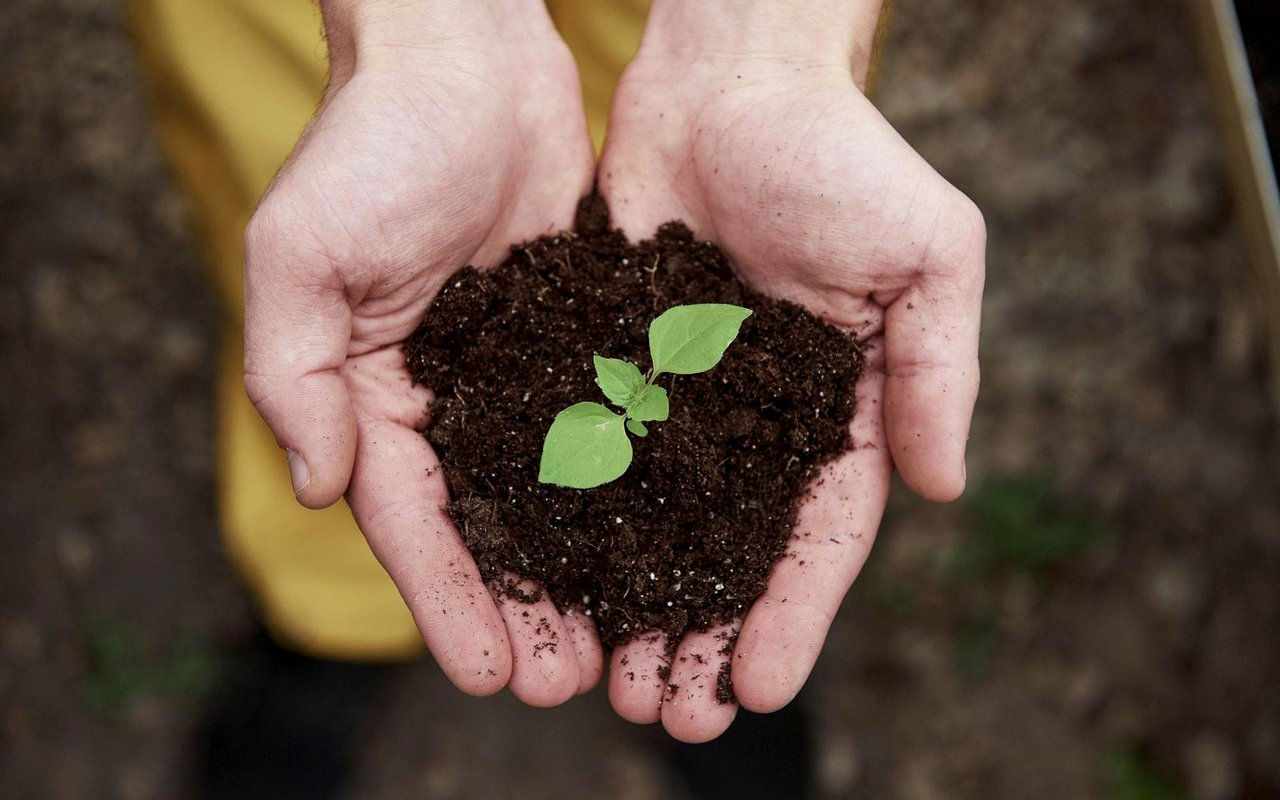
Native plants are particularly valuable because they are adapted to the region's rainfall and temperature patterns, meaning that they typically require less water and maintenance once established. This not only reduces your workload but also supports local pollinators and wildlife. Grouping plants by their water needs, a practice known as hydrozoning, further reduces waste by ensuring you are not overwatering low-need areas to keep high-need plants healthy.
Composting is another simple addition that turns yard waste and food scraps into nutrient-rich soil for your garden. It is an easy habit to build into your routine, and it significantly reduces the amount of waste that is sent to landfills each year.
Eco-Friendly Landscaping Practices
- Plant native species that are well-suited to the climate.
- Group plants by water needs to avoid overwatering certain areas.
- Start a compost bin for yard waste and food scraps.
- Use mulch to retain soil moisture and reduce the need for watering.
- Plant shade trees strategically to naturally cool your home in summer.
FAQs
What Is The Easiest Way To Start Making My Home More Eco-Friendly?
Switching to LED lighting and sealing obvious drafts around doors and windows are two of the simplest, most affordable ways to start. Both changes require minimal effort and typically show up as savings on your very next utility bill.
Do Energy-Efficient Upgrades Really Save Money Over Time?
Yes. Upgrades like improved insulation, efficient windows, and smart thermostats often pay for themselves over a period of a few years through reduced heating and cooling costs, and many continue saving money well beyond that.
Is It Expensive To Switch To Sustainable Building Materials?
Costs vary depending on the material and project, but many sustainable options, such as bamboo flooring or low-VOC paint, are comparable in price to traditional alternatives. The long-term durability often makes them a smart investment as well.
Bringing Sustainability Home In Traditions Of Braselton
Making your home more eco-friendly does not happen overnight, and it does not need to. It is a gradual process built on intentional choices that add up over time, from the light bulbs you choose to the plants in your yard. Each upgrade, no matter how modest, moves you closer to a home that is more efficient, more comfortable, and lighter on the environment.
If you are considering these changes for a home in Traditions of Braselton, our team at
Paran Homes is here to help you think through what makes the most sense for your space and your goals. We understand the local climate, the building standards that support sustainability, and the small details that make a real difference over time.
Reach out to our team today, and let us help you create a home that reflects both your values and your vision for sustainable living.