By Paran Homes
Selling a home is as much about emotion as it is about square footage and price per square foot. Buyers form an opinion about a property within mere seconds of seeing it, often before they step inside, and that initial reaction can shape everything that follows. A home that feels welcoming, well-maintained, and move-in ready generates excitement. One that feels dated, cluttered, or neglected can send buyers mentally moving on before they even reach the front door.
The good news is that making a standout first impression does not require a full renovation or a bottomless staging budget. It requires intention. Understanding what buyers notice, why it matters, and how to address it strategically can be the difference between a listing that lingers and one that generates competitive offers quickly. Whether you are preparing to sell in a few weeks or a few months, the steps you take now to shape that initial impression will pay off.
This guide covers the most impactful areas to focus on when getting your home ready for buyers, from curb appeal to the moment they cross the threshold.
Key Takeaways
- Buyers form strong impressions within a few moments of seeing a property, and those impressions are difficult to reverse.
- Curb appeal tells the first chapter of your home's story, and it should invite buyers in rather than give them reasons to hesitate.
- Strategic decluttering and depersonalization allow buyers to picture themselves living in the space, which is essential to generating emotional investment.
- Lighting, space, and small sensory details influence how buyers feel inside a home, even when they cannot pinpoint exactly why.
- Consistent upkeep and attention to detail signal to buyers that the home has been cared for, which builds trust and confidence in the purchase.
Curb Appeal Sets the Tone Before Buyers Reach the Door
The exterior of your home is the first feature that buyers see in person, and it also determines whether they click on your listing online or keep scrolling past it. A well-maintained exterior communicates pride of ownership and invites curiosity. A neglected one, however, raises questions about what else may have been overlooked.
You do not need to invest in major landscaping overhauls or a full exterior repaint to make an impact. Often, the most effective changes are straightforward: a freshly mowed lawn, trimmed hedges, clean walkways, and a front door that looks intentional rather than weathered. Replacing a faded house number, repainting the mailbox, or adding a simple potted plant near the entryway can meaningfully shift how a buyer perceives the property.
Power washing the driveway and exterior surfaces makes an enormous difference at a low cost. Buyers notice grime on the sidewalk, mildew on the siding, and stains on the driveway, and those details can create an impression of deferred maintenance that is hard to shake. A clean exterior, by contrast, reads as well-cared-for and ready.
Exterior Details That Buyers Notice
- A freshly painted or refinished front door that coordinates with the home's exterior palette.
- Clean, intact gutters with no visible sagging, rust, or debris.
- Light fixtures that are in proper working order, free of cobwebs, and proportionate to the entryway.
- Walkways and driveways that are well-swept, pressure-washed, and free of cracks where possible.
- Window exteriors that are wiped down and free of dirt, streaks, or water stains.
Decluttering and Depersonalizing: Creating Space for Buyers to Imagine
Inside the home, the single most powerful task you can tackle before any buyer walks through is to edit the space. Clutter diminishes the perceived size of a space and pulls attention away from architectural features, natural light, and layout. When buyers are navigating around furniture or cataloguing personal items on shelves, they are not imagining their own life unfolding in the home. They are struggling to see it at all.
Depersonalizing goes hand in hand with decluttering. Personal photographs, memorabilia, and highly specific decor choices make a home feel occupied rather than available. Buyers need to be able to project themselves into the space, and that is significantly harder when a home feels like someone else's. Removing personal photos and paring back collections to a few curated pieces helps the home feel like a neutral, welcoming canvas.
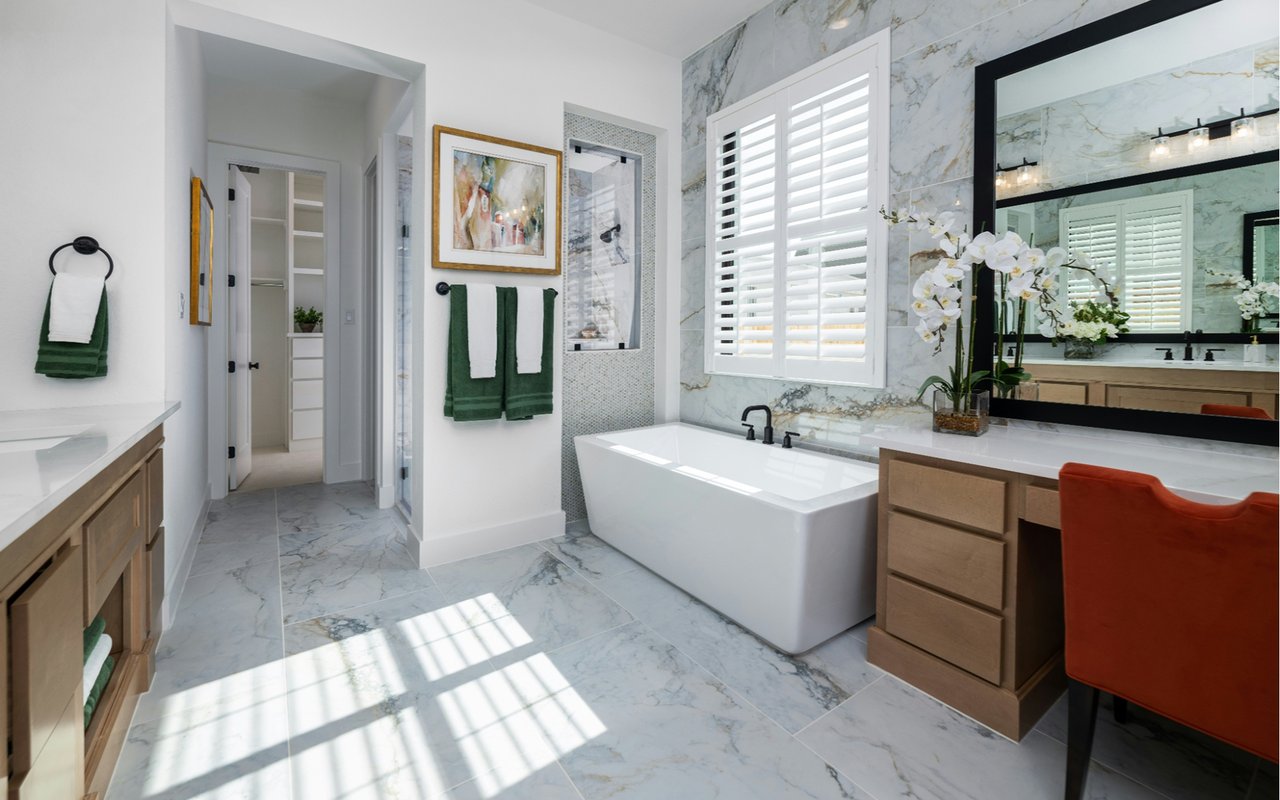
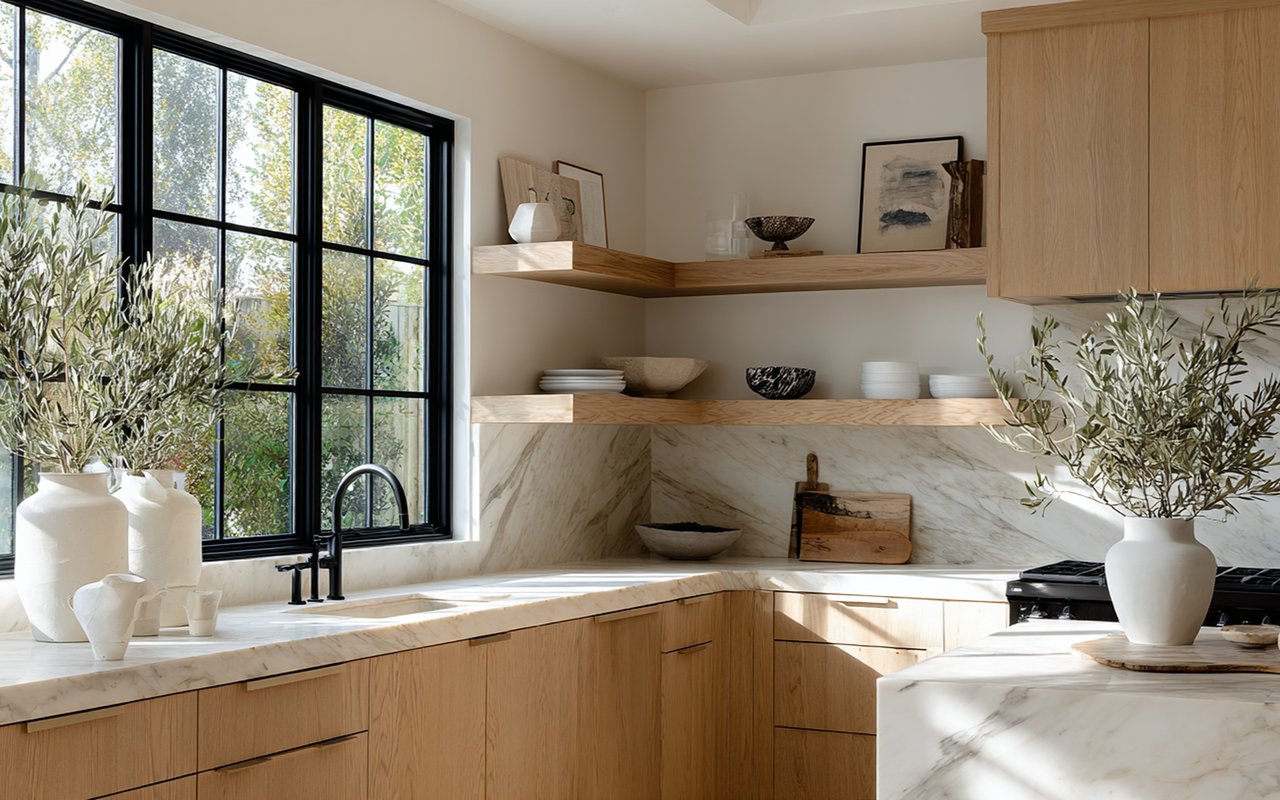
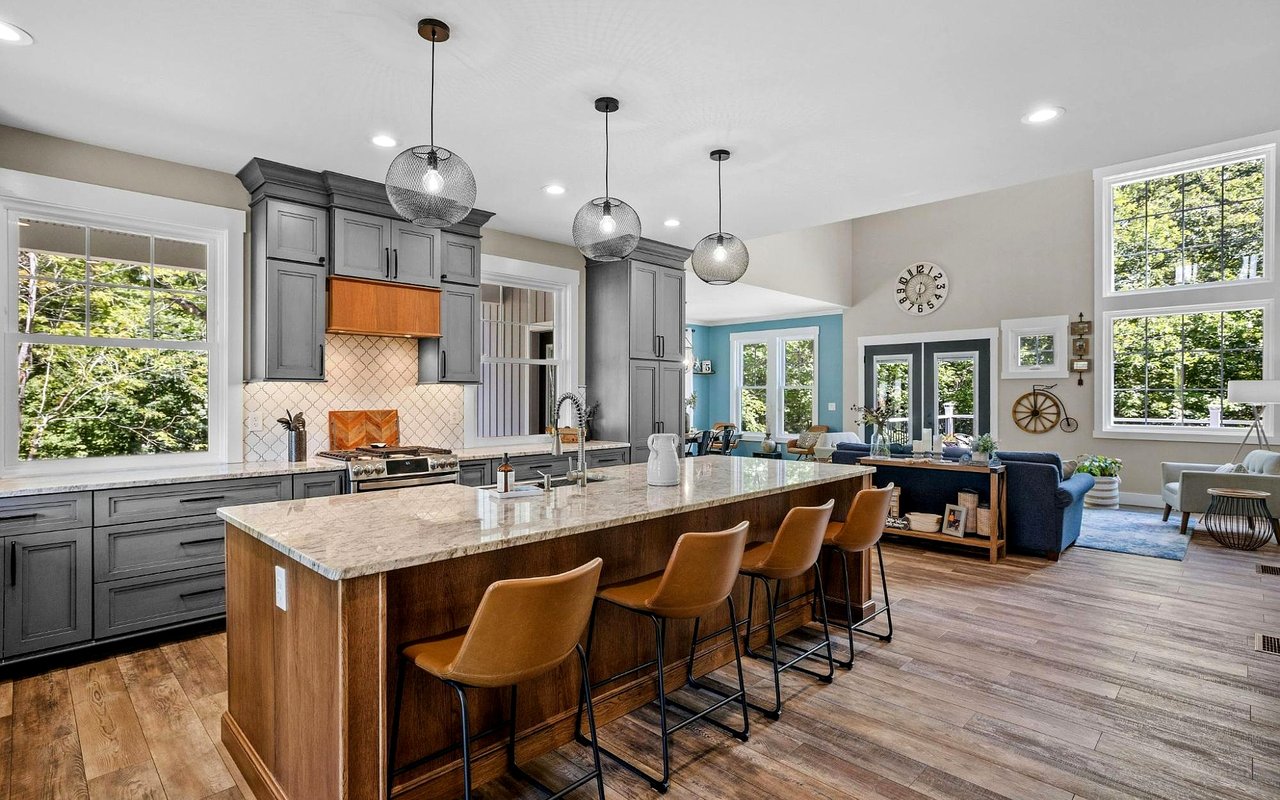
This is also the perfect time to address surfaces that tend to accumulate: kitchen counters, bathroom vanities, entry tables, and closets. When closets appear organized and not overstuffed, buyers draw the conclusion that the home offers adequate storage. When the counters are clear, kitchens and bathrooms look larger and more functional. These are simple edits with remarkable perceptual impact.
Where to Focus Your Editing Efforts
- Kitchen counters, which should hold only essential daily-use items, with everything else stored out of sight.
- Closets and storage spaces, which benefit from being half-full to communicate ample capacity.
- Bookshelves and built-ins, which should be curated to a fraction of their current contents.
- Entry areas, where coats, shoes, and everyday clutter tend to pile up and overwhelm buyers immediately upon entry.
- Bathrooms, where personal care products, visible toiletries, and worn accessories should be reduced to a minimum.
Lighting and Details Shape How Buyers Feel
Walk through your home and take stock of how it feels, not just how it looks. Buyers are making a visceral judgment, and lighting plays an enormous role in that experience. Dark rooms feel smaller and less appealing. Bright, well-lit spaces feel more expansive, cleaner, and more welcoming. Before showings, replace any burned-out bulbs, ensure that all fixtures are functioning as expected, and consider upgrading to a consistent, warm-toned bulb throughout the main living areas.
Natural light is among the most sought-after features buyers mention when describing what they loved about a home. During showings, open every blind and curtain to maximize daylight. If window treatments are dated or blocking the light, removing them entirely is often the better choice. Clean windows make a measurable difference in how much light enters a room, and they signal attentiveness to upkeep.
Lighting and Atmosphere Adjustments Worth Making
- Replace bulbs throughout with a consistent, warm white tone to create cohesion across rooms.
- Add lamps to darker corners that overhead lighting does not adequately reach.
- Open all window treatments before showings to maximize natural light and the view of the outdoors.
- Clean interior window glass thoroughly, as streaks and dust diminish light quality noticeably.
Small Repairs Make a Difference
Buyers are not only evaluating what they can see; they are reading signals about what they cannot. A dripping faucet, a squeaky door hinge, a cracked outlet cover, or a baseboard with scuffed paint are all small things in isolation. Together, they build a narrative about how the home has been maintained over time, and that narrative directly influences buyer confidence.
Completing a thorough walkthrough of your home before it goes live on the market with an eye toward these minor repairs is one of the highest-return investments you can make. It costs relatively little in time and money to address these details, but their absence can raise questions that a buyer takes into their negotiation posture. A home that presents as clean and well-maintained earns more trust, and trust translates to stronger offers.
Pay particular attention to the areas buyers inspect most closely: kitchens, bathrooms, and any space where visible wear tends to accumulate. Fresh caulk around tubs and sinks, a cleaned and re-grouted tile surface, and cabinet hardware that functions smoothly all signal quality. These are not glamorous upgrades, but they communicate care in a way that resonates with buyers at an almost subconscious level.
Repairs That Have an Outsized Impact on Buyer Perception
- Dripping faucets or running toilets, which suggest plumbing issues.
- Squeaky doors and cabinet hinges.
- Chipped or scuffed paint on baseboards, trim, and around door frames, which ages a home's appearance quickly.
- Cracked outlet covers or switch plates, which look noticeably worn when left in place.
- Grout and caulk in bathrooms and kitchens, which reads as both cosmetic and functional neglect when discolored.
FAQs
How Much Does Staging a Home Actually Affect the Sale Price?
Staged homes consistently sell faster and, in many markets, for more money than comparable unstaged listings. The return on a staging investment varies by market and price point, but the underlying dynamic is consistent: buyers respond emotionally to how a home feels, and staging is designed to optimize that feeling. Even a modest investment in decluttering, cleaning, and strategic furniture arrangement can meaningfully shift buyer perception.
Is Curb Appeal Really That Important If Buyers Are Coming From an Online Search?
Online listings are most buyers' first encounter with a property, which means exterior photos are the initial impression that determines whether someone schedules a showing at all. Excellent curb appeal photographs well and creates anticipation. Poor curb appeal causes buyers to self-select out before they ever visit in person.
What Should I Do If My Home Has Dated Finishes I Cannot Afford to Update?
Focus on cleanliness, light, and condition over cosmetic updates. A dated kitchen that is spotless and well-maintained reads very differently from one that is dated and grimy. Fresh paint in neutral tones, updated hardware, and thorough cleaning can modernize a space meaningfully without the cost of full renovations. Buyers can often look past dated finishes when everything else signals care and quality.
Do Buyers Really Notice Small Things Like Light Bulbs and Cabinet Hardware?
They do, even when they cannot articulate exactly what they noticed. Buyers form a composite impression of a home built from many details, and the consistency of those features shapes their overall feeling about the property. A home where everything feels coordinated, clean, and cared for creates confidence.
Your Home's Story Starts the Moment a Buyer Sees It
First impressions in real estate are not accidental. They are built through deliberate choices about what buyers see, feel, and notice when they encounter a home for the first time. The sellers who take that seriously and invest the time to prepare thoughtfully are the ones who generate the best responses and the most competitive offers.
If you are preparing to list and want guidance on where to focus your energy before going to market, our team at
Paran Homes is here to help. Reach out, and we can walk you through the preparation process, connect you with the right resources, and help you present your Traditions of Braselton home in a way that makes a lasting first impression.