By Paran Homes
Moving to a new home is exciting, but if you have pets, it can also feel like a logistical puzzle. Between packing boxes, coordinating movers, and managing your own nerves, it is easy to forget that your dog or cat is picking up on every bit of that chaos as well. Animals thrive on routine, and a move disrupts nearly all of it at once, from their favorite napping spot to the sounds and smells they know as home.
The good news is that with a little planning, you can make the transition much smoother for your pets — and for yourself. Whether you are settling into a new home in Traditions of Braselton or moving across town, understanding how to prepare your pet for the change can save you from a lot of stress on moving day and in the weeks that follow.
This guide will walk you through practical, real-world tips for moving with pets, so your four-legged companions can settle into their new home just as happily as you do.
Key Takeaways
- Prepare your pet early by gradually introducing them to packing materials and moving supplies.
- Keep your pet's routine as consistent as possible throughout the moving process.
- Set up a quiet, familiar space in your new home before introducing them to the rest of the house.
- Update identification and records well ahead of your move date.
- Take extra precautions on moving day to keep pets safe and calm.
Preparing Your Pet Before the Move
The weeks leading up to a move are just as important as moving day itself. Pets are highly perceptive, and they often notice changes in their environment long before boxes start appearing. Suitcases, packing tape, and the general shuffle of furniture can trigger anxiety, especially in pets who are sensitive to change.
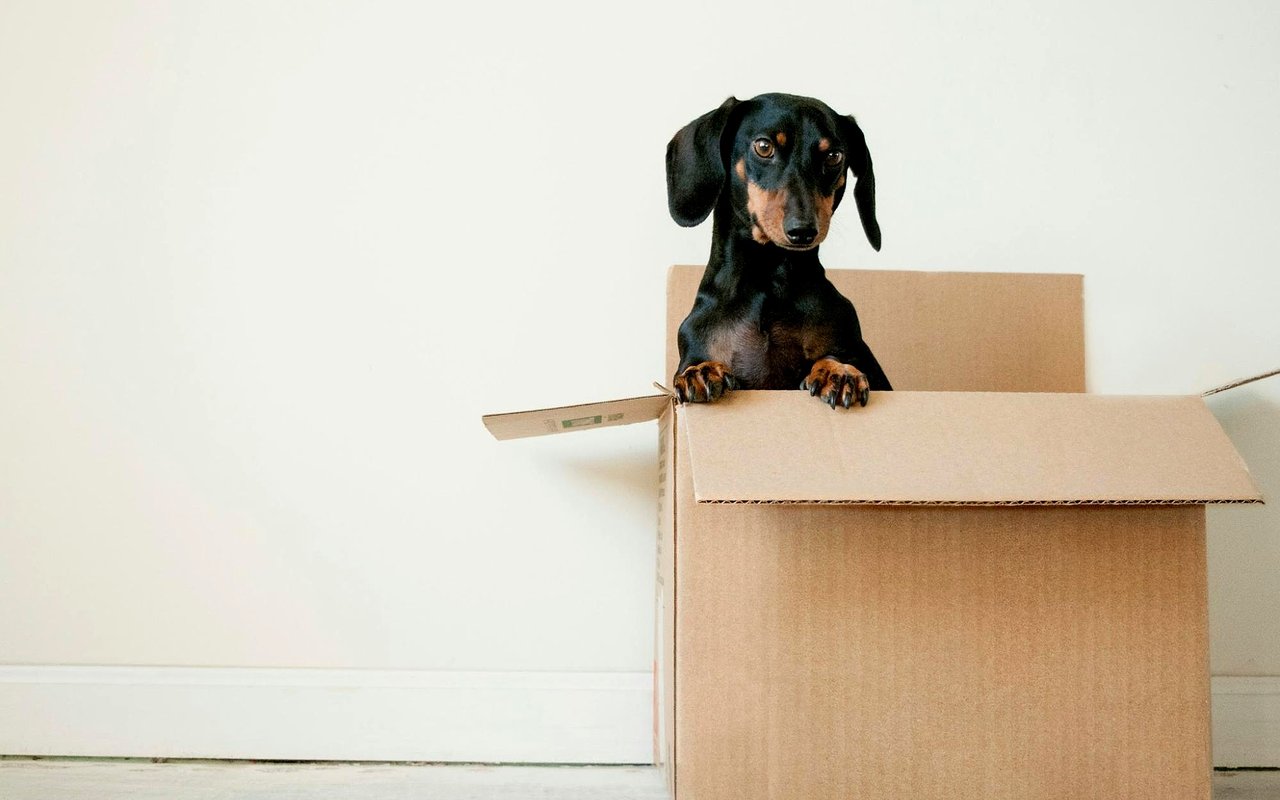
One of the most important things you can do is introduce moving supplies gradually. Instead of packing everything at once, start a few weeks ahead of time so that your pet has a chance to get used to the new sights and sounds. This slow approach helps normalize the process so that it feels less like an abrupt disruption and more like a gradual shift in the household.
It also helps to maintain your pet's regular feeding, walking, and play schedule for as long as possible. Consistency during this period gives your pet a sense of stability, even as everything else around them is changing.
What To Do Before Moving Day
- Introduce packing boxes and materials a few weeks in advance so your pet can adjust.
- Keep feeding times, walks, and play sessions on their usual schedule.
- Schedule a visit to the veterinarian, especially if your pet gets anxious during travel.
- Update your pet's microchip information and identification tags with your new address.
- Pack a "pet essentials" bag with food, medication, toys, and bedding to keep separate from moving boxes.
Choosing the Right Travel Method
How your pet travels to your new home depends on the distance, the type of pet, and their personality. Some pets do fine with a car ride, while others need a bit more preparation to stay calm and comfortable throughout the trip. Thinking through this ahead of time helps you avoid last-minute stress.
For local moves, a secure carrier or harness in the car is usually sufficient, along with frequent breaks if the drive is long. For longer distances, you may want to consider whether your pet has traveled well in the past or whether a practice drive beforehand would help them adjust to the sensation of being in a moving vehicle.
If you are flying to your new home, look into airline pet policies well in advance, since requirements vary and some airlines have specific carrier size and health documentation rules. Regardless of how you travel, always make sure your pet has access to water during the trip and is never left alone in a parked vehicle.
Travel Considerations for Pets
- Choose a secure, well-ventilated carrier appropriate for your pet's size.
- Take a practice drive if your pet has never traveled long distances before.
- Pack extra water and offer breaks during longer road trips.
- Research airline-specific pet policies if you are flying.
Settling Into Your New Home
Once you arrive, resist the urge to let your pet explore the entire house right away. A new environment full of unfamiliar smells, sights, and sounds can be overwhelming, so it is best to start small. Set up one quiet room with their bed, food, water, and a few familiar toys, and let them settle into that space first before gradually opening up the rest of the home.
This approach gives your pet a sense of control over how quickly they explore, rather than feeling forced into a completely unfamiliar environment all at once. Cats especially benefit from this slower introduction, as they tend to be more territorial and sensitive to change than dogs.
As your pet becomes more comfortable, you can begin introducing them to other rooms, one at a time. Keeping their food and water bowls, bed, and other items in consistent locations throughout the house will also help them feel more grounded as they adjust.
How To Ease the Transition
- Set up a quiet room with familiar bedding, food, and water before exploring the rest of the home.
- Introduce new rooms gradually, rather than all at once.
- Keep feeding areas in one consistent location.
- Maintain your pet's normal routine as closely as possible in the days after moving.
- Give your pet plenty of praise and reassurance as they explore.
FAQs
How Long Does It Take for a Pet to Adjust to a New Home?
Most pets begin to settle within a few days to a couple of weeks, though this varies depending on the individual animal and how much change is involved. Cats often take a bit longer than dogs, since they tend to be more attached to their physical surroundings.
Should I Update My Pet's Microchip Before or After the Move?
If possible, it is best to update your pet's microchip information and identification tags before the move so that their new address and contact information are correct in case they become separated from you during the transition.
Is It Normal for Pets To Act Differently After a Move?
Yes, it is common for pets to seem more clingy, withdrawn, or even mildly anxious for a period of time after a move. Maintaining routine and giving them extra reassurance usually helps them settle back into their normal behavior.
Making Your New House Feel Like Home for Everyone
Moving with pets takes a bit of extra planning, but the payoff is worth it when you see your dog or cat settle happily into their new surroundings. From gradual introductions to packing supplies and setting up a quiet space in your new home, every step you take helps reduce stress for your pet and for you.
If you are relocating to Traditions of Braselton, our team at
Paran Homes understands that a move is about more than square footage and floor plans; it is about creating a home that works for your entire crew, pets included. We are here to help guide you through every step of the process, from finding the right home to settling in comfortably.