By Paran Homes
If you're searching for a new construction home in Roswell, GA, you're already ahead of the game. One of the biggest advantages of buying new over existing is that the home was built with modern efficiency standards from the ground up — no retrofitting, no guesswork about what's inside the walls, and no inherited problems from previous owners. But not all new construction is created equal, and knowing what to look for in energy efficiency can be the difference between a home that performs and one that surprises you with high utility bills from the first month.
In Roswell, your home needs to handle genuine heat and humidity for a good portion of the year, as well as cooler stretches that require real heating capacity. The features that manage those demands well aren't always visible during a walkthrough; they're in the insulation specs, the HVAC rating, the window glass coating, and the building envelope. Understanding them before you buy puts you in a much stronger position to evaluate what you're actually getting.
This guide walks through the key energy efficiency features to look for in a new construction home in Roswell in 2026 and what questions to ask.
Key Takeaways
- ENERGY STAR certification is the most reliable third-party signal that a new home meets rigorous efficiency standards.
- Insulation, air sealing, and HVAC efficiency are the three features that drive the most meaningful long-term savings in Georgia's climate.
- Window ratings, smart thermostats, and low-flow fixtures all contribute to whole-home efficiency and long-term comfort.
ENERGY STAR Certification: Why It Matters More Than You Think
When a home is "energy efficient," that phrase can mean almost anything. The only standardized, third-party verified benchmark for new construction efficiency is ENERGY STAR certification, administered through the EPA. A certified home has been independently tested and verified to meet requirements that go well beyond standard code compliance — typically 20 to 30 percent more efficient than a comparable code-built home.
For buyers in Roswell, that gap translates directly into monthly savings. Georgia summers are long and demanding on cooling systems, and a home built to ENERGY STAR standards uses less energy to maintain comfortable indoor temperatures throughout that stretch. The certification process requires testing for air infiltration, duct leakage, and insulation installation quality — three areas where code-compliant homes frequently fall short without anyone noticing until the utility bills arrive.
When evaluating a home, ask specifically whether it carries ENERGY STAR certification and request the HERS (Home Energy Rating System) score. A lower HERS score means a more efficient space.
What to Ask
- Does this home carry ENERGY STAR certification?
- What is the HERS score, and can I see the rating documentation?
- Has the home been third-party tested for air infiltration and duct leakage?
- What building code was used, and does this home exceed it in any areas?
- Is insulation installation quality verified by an inspector or just self-reported?
Insulation and Air Sealing: The Foundation of Efficiency in Georgia's Climate
Insulation and air sealing are the most consequential efficiency features in any home, and they're the hardest to verify after the fact. Once the walls are closed, you're largely taking the builder's word for it.
Air sealing is equally important and often overlooked. A well-insulated attic loses much of its value if conditioned air is leaking through gaps around recessed lights, plumbing penetrations, electrical outlets, and the countless other points where the building envelope is interrupted. Blower door testing — a diagnostic test that pressurizes the home to measure air leakage — is the only reliable way to verify how airtight a new home actually is. ENERGY STAR certification requires it; standard code inspection does not.
For Roswell's humidity, continuous air barriers also matter beyond just energy. A well-sealed home is better at managing moisture infiltration, which reduces the risk of mold and maintains indoor air quality more effectively through the humid summer months.
What Proper Insulation Looks Like
- Attic insulation at R-38 minimum, with R-49 or higher indicating a higher-performing build.
- Spray foam or dense-pack insulation in exterior walls for improved air sealing alongside thermal performance.
- Continuous air barriers throughout the building envelope, verified by blower door testing.
- Sealed attic bypasses around recessed lighting, plumbing, and HVAC penetrations.
- Insulated and sealed ductwork, ideally located inside the conditioned space rather than in an unconditioned attic.
HVAC Efficiency: Where Your Money Goes Every Month
In Roswell, your HVAC system will work hard for six or more months of the year. The efficiency rating of that system — measured in SEER2 for cooling and HSPF2 for heat pumps — has a direct, ongoing impact on what you pay to stay comfortable.
Heat pump systems deserve particular attention in Georgia's climate. Modern cold-climate heat pumps provide efficient heating even when temperatures drop, and they deliver cooling with the same equipment — making them a great fit for Roswell's mild-to-cool winters and long cooling seasons. Variable-speed systems, which modulate output based on demand rather than cycling fully on and off, provide better humidity control and more consistent comfort in addition to efficiency gains.
Georgia Power offers rebates for qualifying high-efficiency HVAC equipment through its EarthCents program, including rebates for heat pumps, central air conditioners, and smart thermostats. These rebates can meaningfully offset the premium cost of a higher-efficiency system, so it's worth confirming eligibility before your builder finalizes equipment selection.
HVAC Features Worth Looking For
- Cooling systems rated for meaningful efficiency gains beyond the Georgia minimum.
- Variable-speed or two-stage compressors for better humidity control and consistent comfort.
- Ductwork inside the conditioned envelope, not in a hot, unconditioned attic.
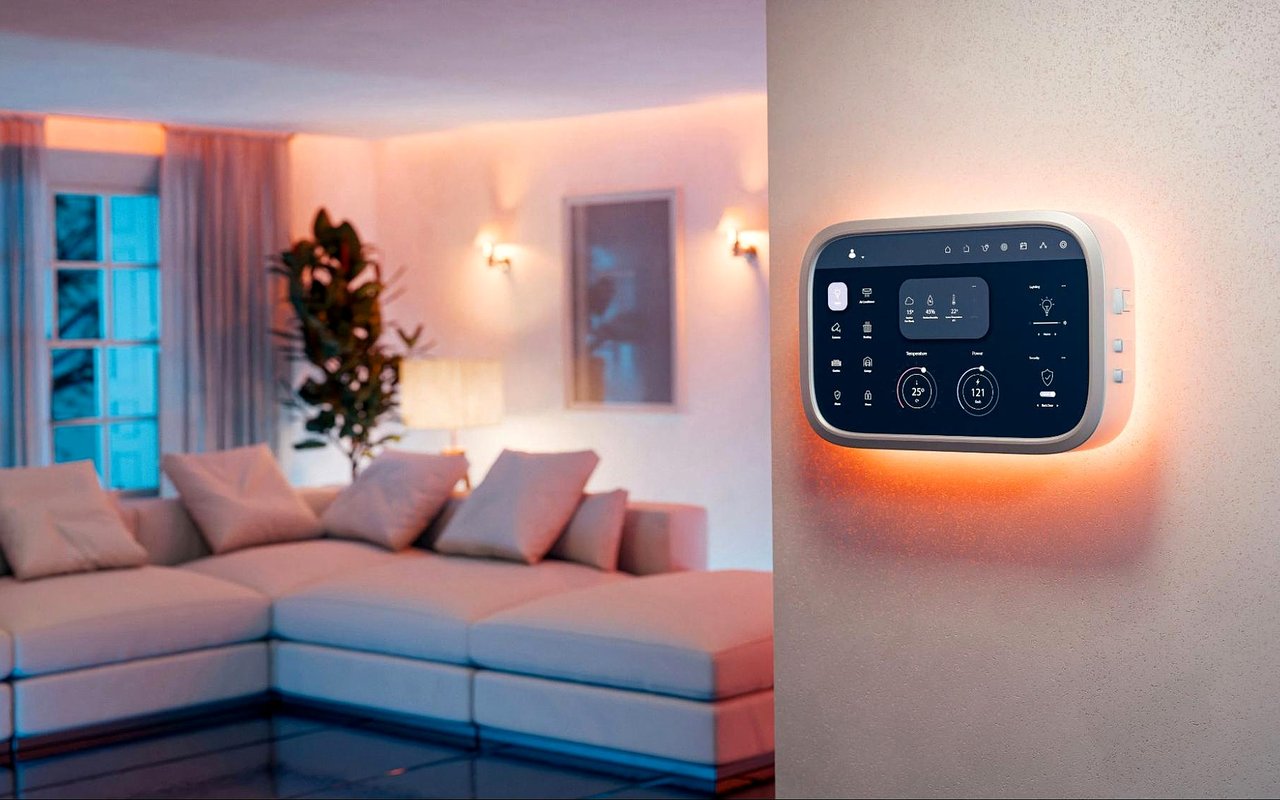
- A smart or programmable thermostat included as standard equipment.
Windows, Appliances, and the Details That Add Up
Individual features like windows and appliances don't carry the same weight as insulation and HVAC, but they contribute meaningfully to whole-home performance and comfort. In Roswell's climate, window performance centers on solar heat gain: how much of the sun's energy passes through the glass and into your living space.
Look for windows with a low Solar Heat Gain Coefficient (SHGC) alongside a low U-factor, both of which indicate better performance in hot climates. Double-pane windows with Low-E coatings are standard in quality new construction; triple-pane is available in premium builds.
For appliances, ENERGY STAR-rated refrigerators, dishwashers, and washing machines use meaningfully less energy and water than standard models. Water heating is often an overlooked line item: tankless or hybrid heat pump water heaters use significantly less energy than conventional tank units and are increasingly common in new construction. Low-flow plumbing fixtures — showerheads, faucets, and toilets — reduce hot water demand without a noticeable impact on daily use.
Features to Verify During Your Walkthrough
- Window SHGC and U-factor ratings appropriate for the climate.
- ENERGY STAR-rated appliances included as standard or available as upgrades.
- A tankless or heat pump water heater in place of a standard storage tank unit.
- Low-flow plumbing fixtures throughout.
- Smart thermostat pre-installed and connected.
FAQs
What Does ENERGY STAR Certification Mean for a New Construction Home in Roswell?
ENERGY STAR for New Homes is an EPA certification that requires third-party testing and verification of a home's efficiency performance. For buyers in Roswell, it's the most reliable way to confirm that a new home will perform as promised before you move in.
How Does Roswell's Climate Affect What I Should Look for in an Efficient Home?
Roswell experiences long, hot, humid summers and mild winters. The most impactful features for this climate are high-efficiency cooling systems with proper humidity control, well-sealed and insulated building envelopes to manage heat gain, and windows with low Solar Heat Gain Coefficients. Heating efficiency matters but is secondary to cooling performance here.
Is New Construction More Energy Efficient Than Buying an Existing Home in Roswell?
Generally, yes. New construction is built to current energy codes, which are meaningfully more demanding than the standards from 10, 20, or 30 years ago. Modern insulation materials, HVAC systems, and building practices give new homes a built-in efficiency advantage. The key is choosing a builder whose standards go beyond minimum code compliance.
Find a New Construction Home in Roswell Built to Perform
The right new construction home in Roswell isn't just about location and floor plan; it's about what's inside the walls, above the ceiling, and running the systems that keep you comfortable year-round. The features covered in this guide are worth understanding before you tour, so you can ask the right questions and evaluate what you're actually getting from each builder.
Ready to find a home in Roswell that fits your lifestyle and your goals for comfort and efficiency? Team up with us at
Paran Homes. Our knowledgeable team will guide you every step of the way, helping you discover homes designed with energy efficiency and modern living in mind.
If you're ready to explore new construction homes in Roswell, GA, reach out to our team. We'll walk you through what makes our homes perform and help you find the right fit for your lifestyle and budget.